North Carolina euthanizes more than 20,000 shelter animals every year. That is a 27% kill rate, more than three times the national average of 8% (WRAL Investigates, 2025). Behind each of those numbers is an animal that came into a shelter as a stray or surrender, waited for someone to notice, and ran out of time.
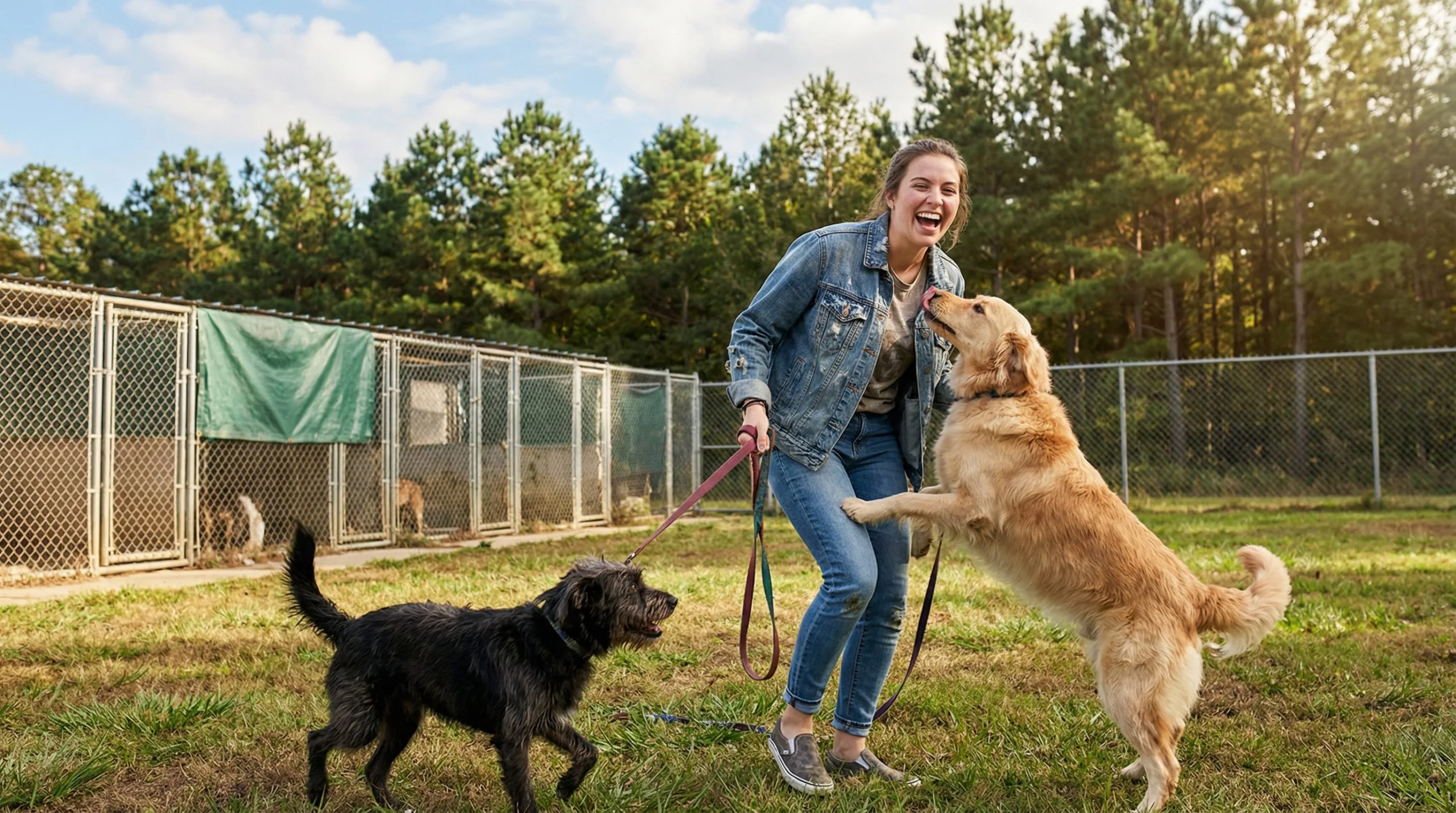
Volunteering at a North Carolina animal shelter won’t fix the underlying overpopulation crisis overnight. But it can mean the difference between a dog getting daily exercise and mental stimulation versus sitting in a kennel deteriorating, between a fearful cat learning to trust humans or being deemed unadoptable, between a litter of orphaned kittens surviving their first weeks of life or not. This guide explains exactly how to get started, what roles are available, and how to find the right shelter for your schedule and skills.
Why North Carolina Shelters Need You
Most North Carolina animal shelters are county-run facilities operating on tight municipal budgets with limited paid staff. Many handle hundreds of animals at any given time. In high-intake months, particularly kitten season from March through September, intake can outpace capacity significantly. Volunteers are not a “nice to have” at these facilities. They are how the work gets done.
According to the Best Friends Animal Society, North Carolina shelters took in more than 273,000 animals in 2023. That number requires an enormous amount of daily labor: cleaning, feeding, medical care, socialization, transport, administrative support, and community outreach. Paid staff alone cannot sustain it. Volunteer hours are what close the gap.
The situation at Wake County Animal Center, the state’s largest municipal shelter, illustrates the scale of the problem. The center reached critical overcapacity four times between 2023 and 2025. In May 2025, it was housing 236 dogs, 59 cats, and 197 kittens, far above recommended capacity. The center’s director described it as “full for two years” with dogs housed at twice the recommended density (WRAL, 2025). If that is the situation at a well-resourced urban shelter, the picture in smaller, rural counties is harder still.
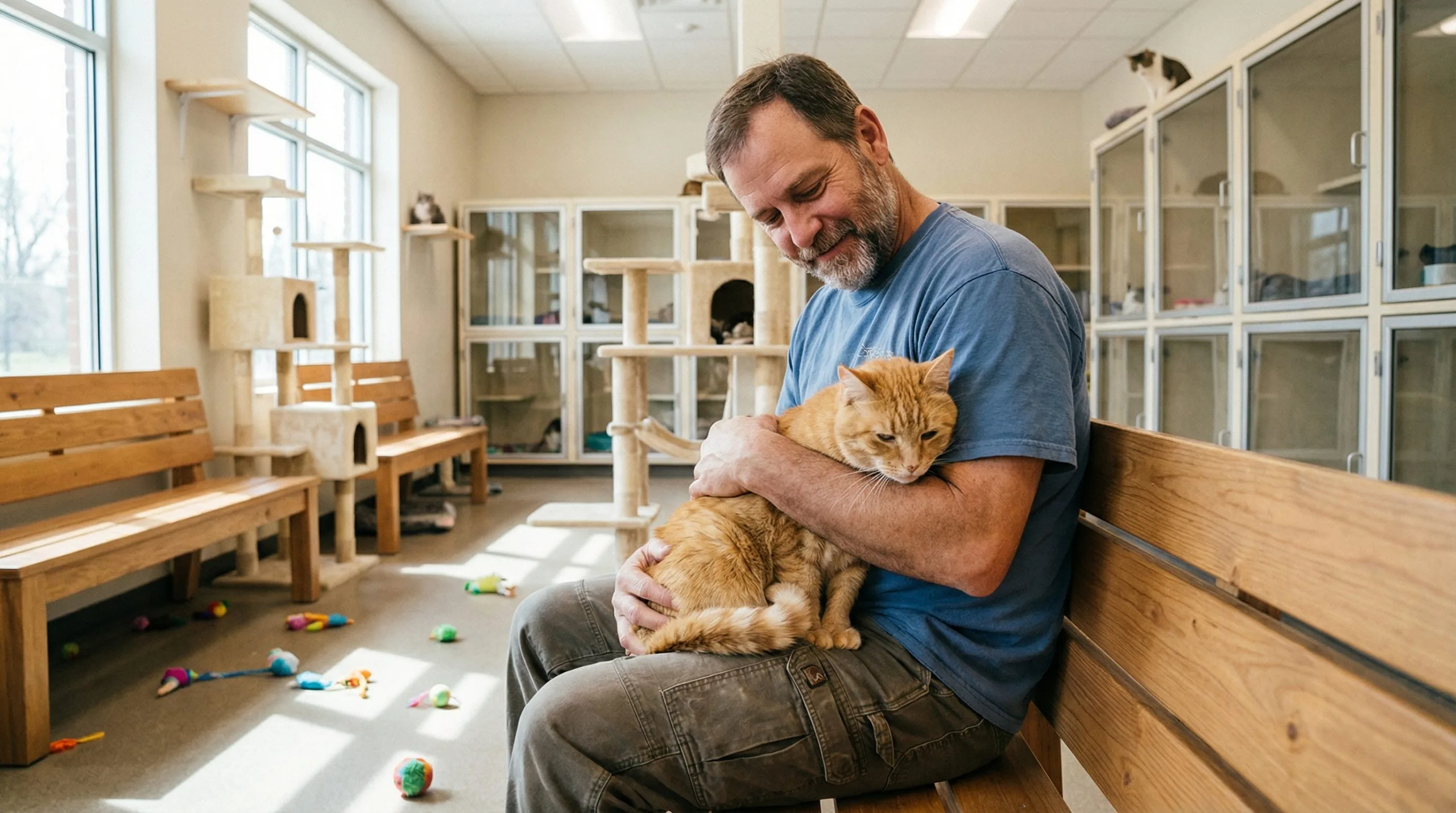
Beyond the operational reality, research shows that animals with regular human contact are more likely to be adopted. Dogs that receive daily walks are calmer and more appealing to potential adopters. Cats that have been handled gently are far more likely to show their true, friendly personalities during adoption visits. And the benefit goes both ways: a Washington State University study found that just 10 minutes of hands-on interaction with cats and dogs produces a statistically significant reduction in salivary cortisol, a direct physiological measure of stress. Your weekly two-hour shift translates directly into lives saved, and into something measurable for you too.
For more context on the scale of the crisis in NC, read NC Pet Project’s county-by-county breakdown of North Carolina’s animal shelter data.
8 Types of Volunteer Roles at NC Animal Shelters
Most people imagine shelter volunteering as dog walking. That is one role, and an important one, but shelters need help in far more areas than most people realize. Here is a full picture of what is available at most NC county shelters and rescue organizations:
Most shelters will ask you to complete an orientation before taking on hands-on roles with animals. This typically covers safe handling techniques, shelter protocols, and how to read animal body language. It usually takes one to two hours and is offered on a scheduled basis.
| Role | What It Involves | Good For |
|---|---|---|
| Dog Walking & Exercise | Walking dogs, playtime in the exercise yard, basic leash manners | Active volunteers, dog owners |
| Cat Socialization | Sitting with cats, gentle handling, play sessions, building trust with shy cats | Patient volunteers, cat lovers |
| Foster Care | Temporarily housing animals at home: neonatal kittens, nursing mothers, recovering animals, puppies | Home-based volunteers, families |
| Transport & Rescue Driving | Transporting animals to vet appointments, spay/neuter clinics, transfer rescues, or adoption events | Flexible schedule, reliable vehicle |
| Photography & Social Media | Taking adoption photos, writing pet bios, managing shelter social media accounts | Creative skills, remote-friendly |
| Event Staffing | Adoption fairs, community outreach events, fundraisers, tabling at local events | Social volunteers, weekends |
| Administrative Support | Data entry, answering phones, processing intake paperwork, donor communications | Office skills, flexible hours |
| Skilled Professional Services | Veterinary care, legal, grant writing, bookkeeping, web development, photography | Professionals with relevant skills |
How to Find NC Animal Shelters Near You
North Carolina has a county-run animal control system, which means most counties have their own shelter. The size, resources, and volunteer programs vary significantly, from large metro facilities with organized volunteer departments to small rural shelters that may coordinate volunteer shifts informally. Many counties also have independent rescue organizations operating alongside the county shelter.
Before you give your time to a group, it is worth confirming it is the real thing. Our guide to finding a legitimate animal rescue in NC covers the two free checks and the red flags to watch for.
Here are some of the larger shelter and rescue organizations in North Carolina’s major metro areas:
For shelters not listed here, search “[your county] NC animal shelter volunteer” or visit Petfinder’s shelter directory and filter by North Carolina. Nearly every county has at least one organization accepting volunteer applications.
What to Expect Your First Day
Most NC shelters require new volunteers to complete an orientation session before working directly with animals. This protects both you and the animals. Here is the typical onboarding sequence:
- Application: Most shelters have a simple online form asking for your availability, any animal experience, and contact information. Some require a background check, particularly for fostering or working with children’s programs.
- Orientation: Usually a one- to two-hour session covering shelter protocols, safe animal handling, disease prevention, and what to do in an emergency. Often held weekly or monthly.
- Supervised shifts: Your first few shifts may be alongside a staff member or experienced volunteer to help you get comfortable with the animals and the facility’s systems.
- Regular scheduling: Once comfortable, most volunteers commit to a recurring weekly or biweekly shift. Consistency matters, because animals develop trust with familiar faces.
What you should wear: closed-toe shoes (required at most shelters), old clothes that can get dirty, and no strong perfume or cologne, which can stress animals. Most shelters will provide gloves and any protective gear needed.
What to expect emotionally: shelter work can be difficult. You may see animals in poor condition or learn that an animal you spent time with has been euthanized. Experienced shelter volunteers often say that focusing on the animals they helped rather than the ones they couldn’t is what allows them to keep coming back. Many find the work deeply meaningful precisely because it is hard.
Fostering: The High-Impact Alternative
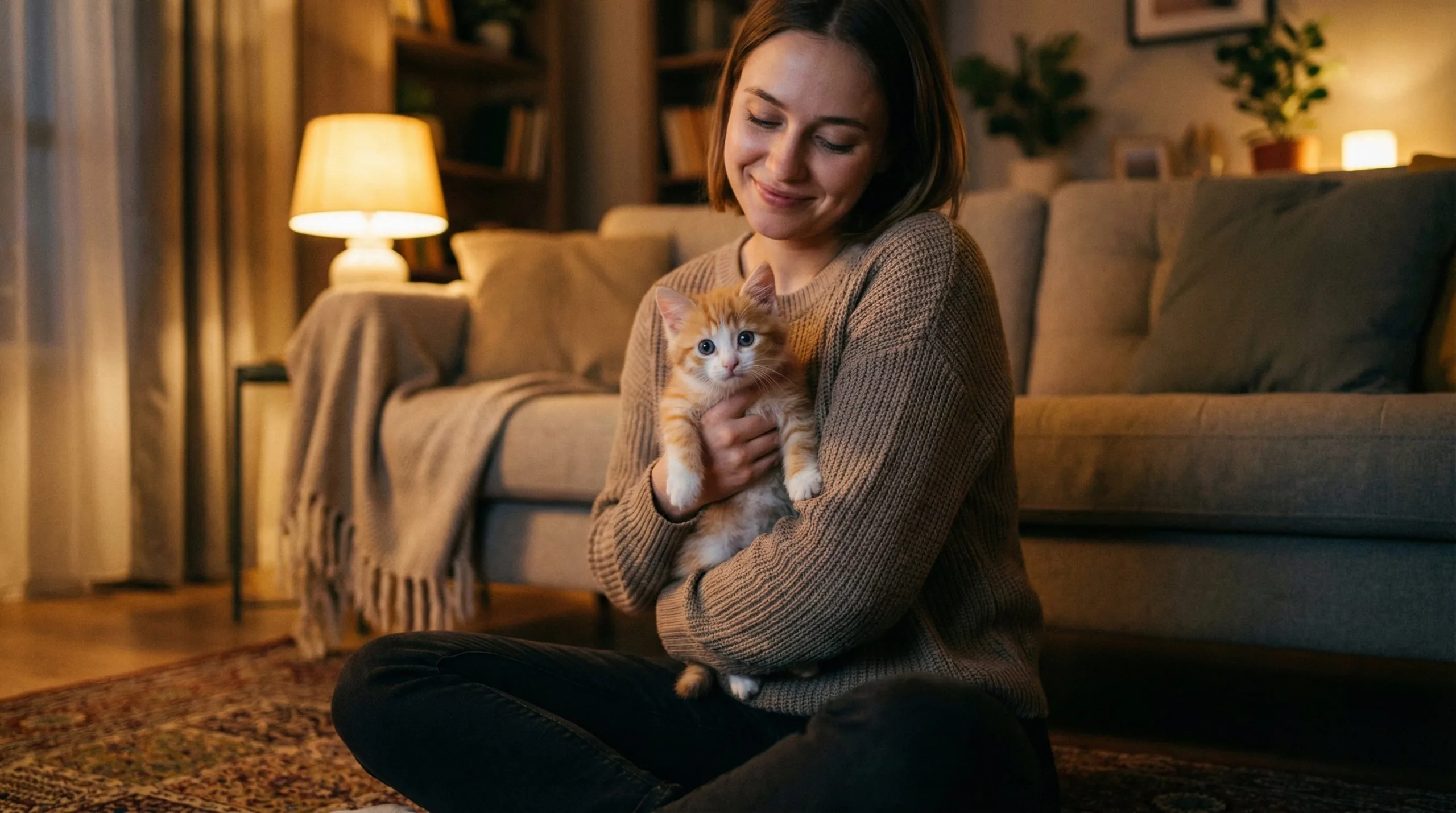
For people who cannot commit to regular shelter visits, fostering is often the most impactful alternative. Foster care is the backbone of every successful rescue program, because it opens up kennel space for incoming animals while giving the foster animal the best possible environment to recover, develop, or simply wait for their permanent home.
New to fostering? Start with our complete guide to fostering pets in North Carolina, covering what it costs, who can foster, the 3-3-3 adjustment rule, and how to sign up.
North Carolina shelters especially need fosters for:
- Neonatal kittens (under 4 weeks old) who require bottle feeding every 2–4 hours. This is urgent, high-demand work during kitten season, which peaks May through August in NC.
- Nursing mothers with litters who need a quiet, low-stress environment away from the shelter.
- Medically recovering animals who need a calm home environment during post-surgical recovery or treatment.
- Shy or fearful animals who need time in a quiet home to decompress before they are ready to show their adoptable personality.
- Puppies and kittens who are too young to be legally adopted but need socialization and human contact during their critical developmental window.
Most shelters provide all food, supplies, and veterinary care for foster animals. You provide the space and time. Fosters are typically temporary commitments ranging from one week to several months depending on the animal’s needs. Many shelter programs can match you with animals that fit your home situation: single pets, households with other animals, or homes with children.
The research on foster caregivers reinforces what most fosters will tell you anecdotally: a 2024 study of 131 foster caregivers across five US shelters found that 86% reported they were likely to foster again, and caregivers consistently described receiving companionship and emotional support from the animals in their care.
How NC Pet Project Uses Volunteers
| Region | Organization | Volunteer Info |
|---|---|---|
| Triangle | Wake County Animal Center | 18+, 6 hrs/month minimum for 6 months, orientation required |
| Triangle | SPCA of Wake County | 18+, 48 hrs/year, multiple roles including foster program |
| Charlotte | Charlotte-Mecklenburg Animal Care & Control | Volunteer and foster programs |
| Charlotte | Humane Society of Charlotte | 16+ (12–15 as Shelter Ambassadors), 6 hrs/month for 6 months |
| Triad | SPCA of the Triad | 18+ (10–17 with guardian), monthly orientation, 2 hrs/month |
| Triad | Forsyth Humane Society | 16+ independently, 12–15 with trained guardian |
| Eastern NC | Your county’s animal control | Search “[your county] NC animal control”. Rural shelters especially need help |
NC Pet Project’s volunteer model is different from a traditional shelter program. We don’t operate a physical shelter facility. Instead, our volunteer network does three things:
- Community outreach: Organizing local awareness events, tabling at community gatherings, and connecting NC families with the voucher program and vet directory. If you have an hour at a farmers market or community event, you can help people learn that free or low-cost spay/neuter is available to them.
- Legislative advocacy: Contacting state legislators, attending public hearings, and building the political support needed to reform NC’s spay/neuter funding and breeder licensing laws. You don’t need to be a lobbyist. You just need to be a North Carolina resident who cares about animals.
- Digital support: Content creation, social media outreach, grant research, and administrative support for the organization’s operations.
If you’re interested in volunteering with NC Pet Project specifically, sign up on our Take Action page and we’ll reach out when an opportunity matches your county and availability.
Prefer to help from home? Donating is the lowest-barrier way to get involved, and a little homework makes it count. Our guide to donating to animal welfare covers how to vet a charity, give monthly, and claim the tax deduction.
Every dog walked at a shelter has a better chance of being adopted than one who has deteriorated from kennel stress. Every neonatal kitten fostered is alive because someone agreed to bottle-feed it at 2am. Every community outreach event that results in a spay/neuter appointment prevents dozens of future animals from entering the system. Volunteering is not symbolic action. It is direct intervention.
Frequently Asked Questions
Ready to make a difference?
NC Pet Project needs volunteers across all 100 North Carolina counties. Sign up to get involved in your community.