North Carolina euthanizes more than 20,000 shelter animals every year, a 27% kill rate that runs more than three times the national average of 8% (WRAL Investigates, 2025). The most common reason an animal runs out of time isn’t illness or behavior. It’s space. The shelter simply fills up.
A foster home is that space. And here’s the part most people don’t realize: fostering a dog or cat in North Carolina usually costs you nothing. The rescue covers the food, the supplies, and every dollar of veterinary care. You provide a room and some patience. This guide walks a first-time NC foster through how it works, what’s actually expected of you, and how to start this week.
- Fostering means temporarily housing a shelter pet at home until it’s adopted. The organization keeps ownership and pays the bills.
- In NC, fostering is almost always free to you. The SPCA of Wake County, for example, “covers the cost of all medical care, including vaccines, flea prevention, or trips to the emergency vet.”
- You don’t get paid to foster, but you’re not out of pocket either.
- Foster homes free up kennel space, which is the single most direct way to reduce euthanasia in a state with a 27% kill rate (WRAL, 2025).
- The application is a free online form, the approval process is usually quick, and renters are welcome.
What Does It Mean to Foster a Pet?
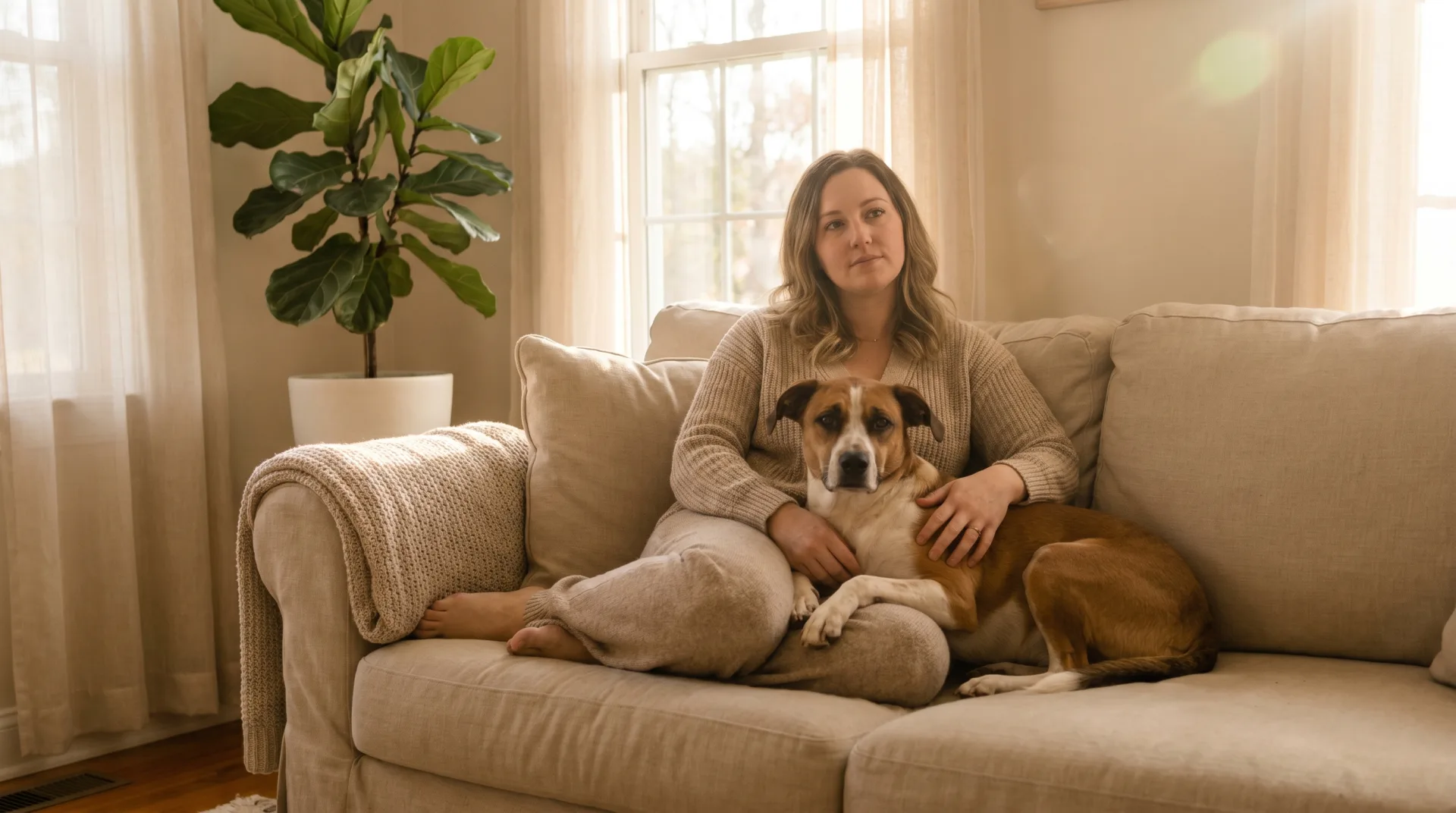
Fostering means temporarily caring for a shelter or rescue animal in your home until it finds a permanent adopter. The organization keeps legal ownership and covers the costs. You supply the home, the daily care, and the socialization that makes an animal more adoptable. Think of it as a halfway house, not a commitment to keep the pet.
People mix up three different things, so here’s the quick distinction. Adopting means the pet is yours for life. Volunteering usually happens at the shelter building. Fostering is in-between: the animal lives in your home, but only for a while. For a fuller picture of the other ways to pitch in, see our guides to volunteering at an NC animal shelter and making a donation count.
Foster needs vary more than most beginners expect. Some animals need a quiet place to recover from surgery. Orphaned kittens need bottle feeding around the clock. Shy dogs need time to decompress away from a loud kennel. And during kitten season, from roughly March through October, shelters simply need overflow homes to survive the surge.
Won’t it be expensive to take all that on? Usually not. Established rescues run the foster model precisely because it’s cheap for them and free for you. The Bond Between, a rescue that ranks nationally for foster content, states plainly that fostering with them is “completely free and an accessible experience for anyone.” That’s the norm, not the exception.
Why Does North Carolina Need Foster Homes Right Now?
Foster homes are the most effective, lowest-cost tool in North Carolina’s overpopulation fight. Every animal in a foster home is one open kennel and one fewer euthanasia decision. With NC running a 27% shelter kill rate against the 8% national average (WRAL Investigates, 2025), that math matters more here than almost anywhere.
The pressure is seasonal, too. Kitten season floods shelters from spring into fall, and intake outpaces capacity fast. Foster homes absorb that wave. A litter of bottle babies in your spare bathroom is a litter not competing for a cage that an adoptable adult cat also needs.
Fostering also produces better pets. An animal that has lived in a real home shows its true personality, and adopters can read a foster’s notes about house-training, kids, and other animals. That visibility shortens the path to adoption. For the full scope of the problem fostering helps solve, read our breakdown of North Carolina’s pet overpopulation crisis.
How Much Does It Cost to Foster? (Do You Get Paid?)
In nearly every North Carolina program, fostering costs you nothing and pays you nothing. The organization covers food, a crate, litter, and 100% of veterinary care. The SPCA of Wake County spells it out: it “covers the cost of all medical care, including vaccines, flea prevention, or trips to the emergency vet,” and provides most supplies on top of that.
So why do so many people search “do you get paid to foster a dog”? It’s an honest question, and the honest answer is no. Fostering is volunteer work, not a side income. You’re not paid a fee. But because the rescue picks up the real expenses, you also shouldn’t end up out of pocket. Here’s who typically covers what.
| The rescue or shelter covers | You provide |
|---|---|
| Food, bowls, crate, carrier, bedding | A safe, separate space in your home |
| All veterinary care, vaccines, flea prevention | Time for daily feeding and care |
| Emergency vet visits | Transport to vet checks and adoption events |
| Spay/neuter and microchipping before adoption | Patience, attention, and a little love |
A few small things may come out of your own pocket if you choose: an extra toy, a special treat, paper towels and cleaning supplies. If the rescue is a registered 501(c)(3), some unreimbursed foster expenses can even be tax-deductible. That’s general information, not tax advice, so check with a professional before claiming anything.
Who Can Foster in North Carolina?
Most NC rescues ask that the lead foster be at least 18, have a stable home, and be able to keep the foster animal separate from resident pets during an introduction period. You do not need a big house or a fenced yard. The SPCA of Wake County requires only that “you must be 18 years or older to be the primary Foster Care Volunteer.”
Renting? That’s fine at most organizations. The SPCA of Wake County welcomes renters and simply suggests you “check with your landlord about whether pet fees, deposits, and/or any restrictions apply to foster animals.” A spare room, a quiet corner, or a bathroom that can be closed off is usually enough space to start.
The Humane Society of Charlotte asks fosters to have a space where the animal can be separated, ideally “a separate room or enclosed area with NO carpet,” and to be ready to transport the animal in an emergency. Households with kids, first-time pet people, college students, and retirees all foster successfully. The rescue matches the animal to your situation, not the other way around.
How to Start Fostering a Dog or Cat in NC
Getting started is faster than most people expect, and the approval process is usually quick once your application is in. The process is roughly the same whether you go through a county shelter or a private rescue. Here are the six steps from “I’m curious” to “there’s a foster dog on my couch.”

- Decide your capacity. Dog or cat? Healthy adult, recovering medical case, or bottle-baby kittens? How many weeks can you give? Honesty here makes everything smoother.
- Choose an NC organization. Options include your county animal shelter, a private rescue, or a breed- or species-specific group. Each has its own foster program and personality. Not sure a group is legitimate? Here is how to find a real rescue in NC.
- Submit the foster application. Almost always a free online form covering your home, your schedule, and any resident pets.
- Complete orientation or a home check. Many NC rescues now run this virtually. It covers handling, supplies, and who to call for help.
- Get matched and pick up your foster. The coordinator pairs you with an animal that fits your home, then sends you off with supplies.
- Foster, support the adoption, and return. Share photos, attend an adoption event or two, and hand the pet to its forever family.
A starting point by region: the SPCA of Wake County and Wake County Animal Center in the Triangle; the Humane Society of Charlotte and Charlotte-Mecklenburg Animal Care & Control in the metro; the Forsyth Humane Society and SPCA of the Triad in the Triad; and your own county animal services almost anywhere else. Search “[your county] NC foster program” to find the closest option.
Tell us your county and what kind of foster you’re up for, and we’ll point you to a vetted NC foster program near you.
The First Days: What Is the 3-3-3 Rule?
The 3-3-3 rule is a simple way to set your expectations for a new foster’s adjustment: roughly 3 days to decompress, 3 weeks to settle into a routine, and 3 months to feel fully at home. The ASPCA’s professional resource for shelters describes these same pet adjustment periods across days, weeks, and months. It isn’t a strict formula, but it keeps week one from scaring you off.

In the first three days, a foster animal may hide, refuse food, or seem withdrawn. That’s normal. Give it a quiet, confined safe space and resist the urge to introduce it to everyone at once. Decompression is the job that week, nothing more.
Over the first three weeks, personality emerges as stress drops. By three months, most animals feel secure and start to bond. If you have resident pets, introduce them slowly and keep early interactions supervised. And remember that every NC rescue assigns a foster coordinator. When something feels off, you call them, and they help. You are never doing this alone.
Saying Goodbye: The Hardest, and Most Important, Part
“I could never give them back.” It’s the number-one reason people talk themselves out of fostering. So let’s reframe it. Returning a foster for adoption isn’t losing the animal. It’s finishing the rescue. The goodbye is the exact moment your work pays off, because it opens your home for the next animal who needs it.
The feelings are real, though. The ASPCA acknowledges that “after weeks or even months of caring for a dog, it’s normal to have mixed feelings about saying goodbye,” and reminds fosters that “you’ve done something wonderful.” Meeting the adopter, keeping a photo journal, and taking a short break between fosters all help.
Yes, some people adopt their first foster. It even has a nickname: “foster failure.” It’s wonderful for that one pet. But if every foster kept their first animal, the whole system would seize up. A single foster home that keeps going can move several animals toward adoption in a year. That throughput is the point. It’s also how a state inches toward the goal we cover in where NC stands on no-kill.
Frequently Asked Questions
Ready to Open Your Home?
Fostering is free to you, low-barrier, and one of the most direct ways to cut euthanasia in a state that needs it badly. You don’t need a big house, a yard, or a paycheck for it. You need a quiet room and a willingness to say goodbye so the next animal gets a chance. Patience in week one, the 3-3-3 rule in mind, and a coordinator on call: that’s the whole job.
North Carolina’s shelters are full right now, and kitten season makes it worse every spring. One foster home changes that math today. Sign up to foster or volunteer with NC Pet Project, and we’ll connect you with a vetted program in your county. Want to keep up with new foster needs and NC pet advocacy? Join our email list while you’re there.
Ready to make a difference?
NC Pet Project needs volunteers across all 100 North Carolina counties. Sign up to get involved in your community.